
01 / TIME + LOCAL ACCESS
ETHAN
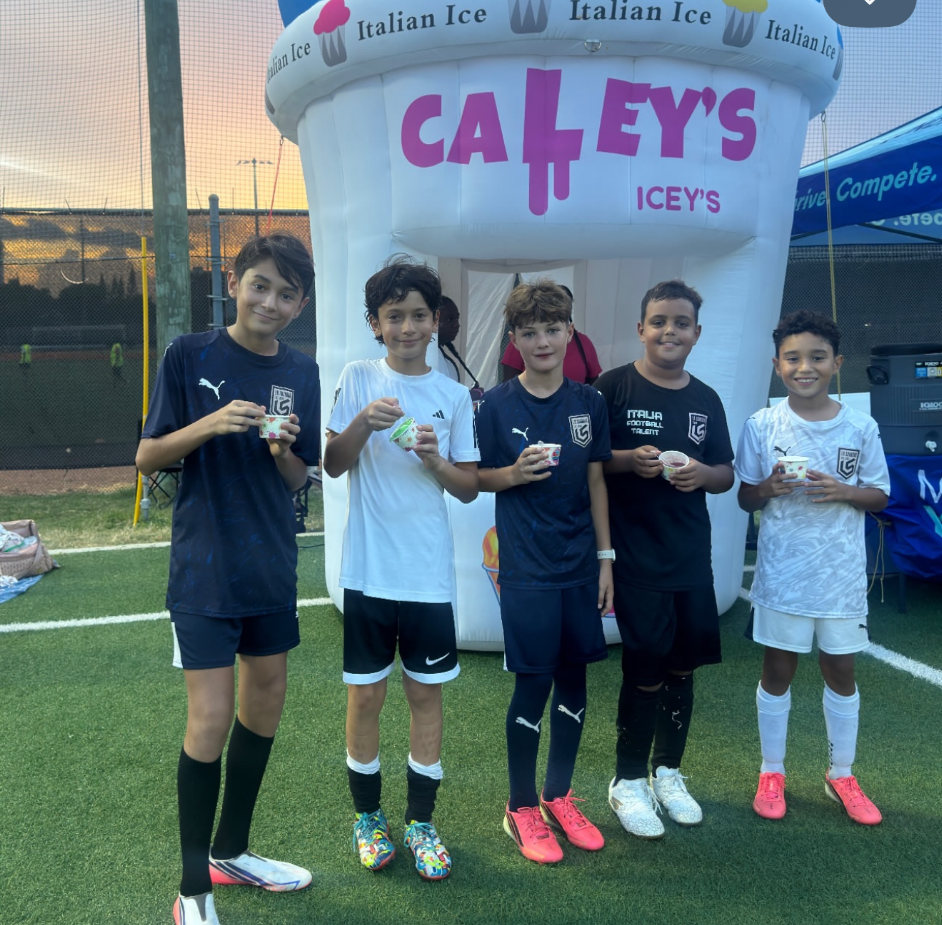
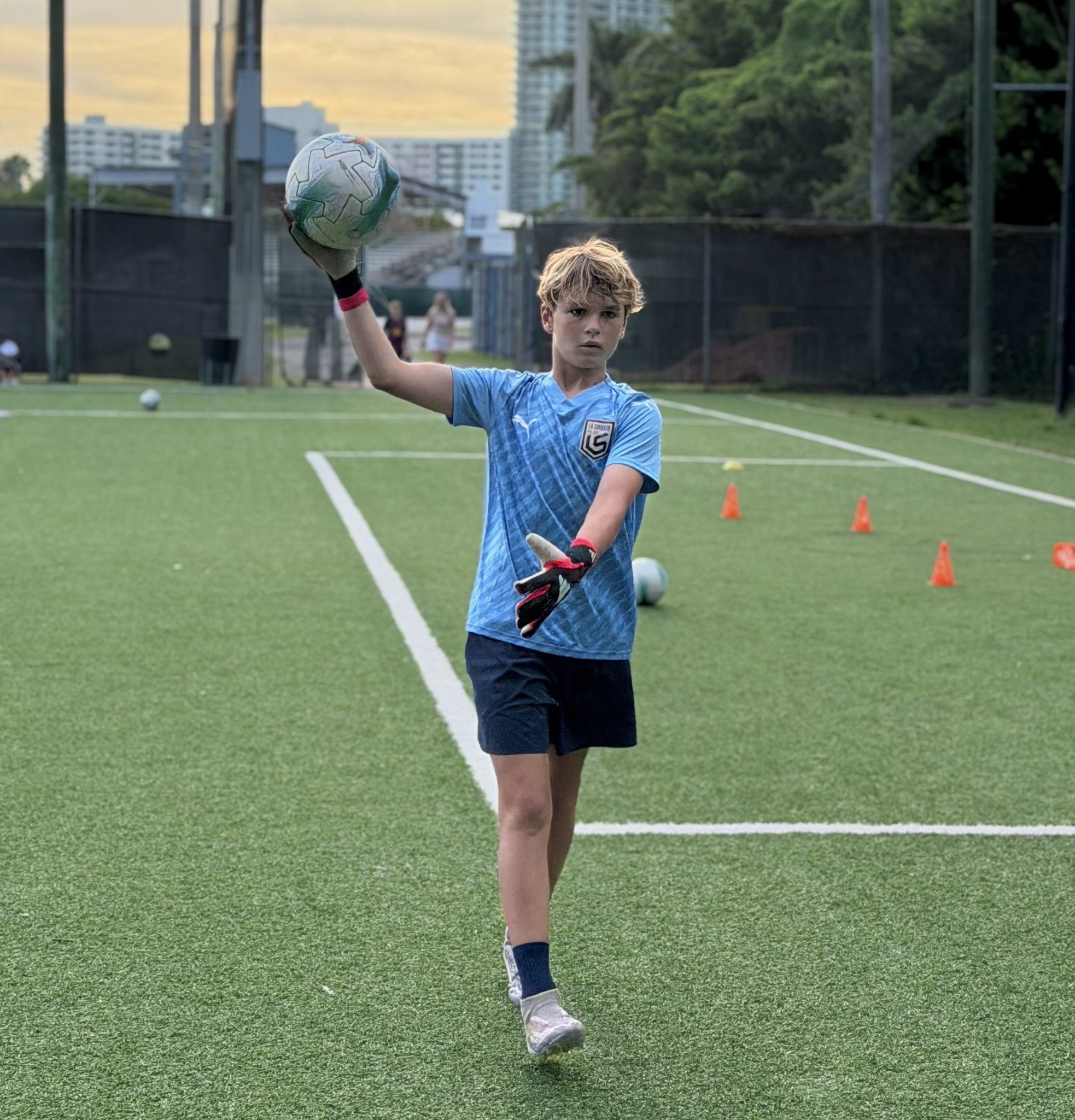
QUALITY SHOULDN'T COST A CHILDHOOD.An hour each way to soccer. Home after 9:30 p.m., with homework still ahead. Less time for rest, friendships and family.
Change how youth sports are funded. Protect what youth sports are for.
Confidence. Character. Health. Friendships. Resilience. Joy.
CHILD DEVELOPMENT FIRST.
THE MODEL MUST SERVE THE CHILD.
OUR APPROACH: Bring public resources, community expertise and private philanthropy together for more children.
Cost is only one part of what children and families can lose when sport isn't organized around their needs.
An hour each way to soccer. Home after 9:30 p.m., with homework still ahead. Less time for rest, friendships and family.
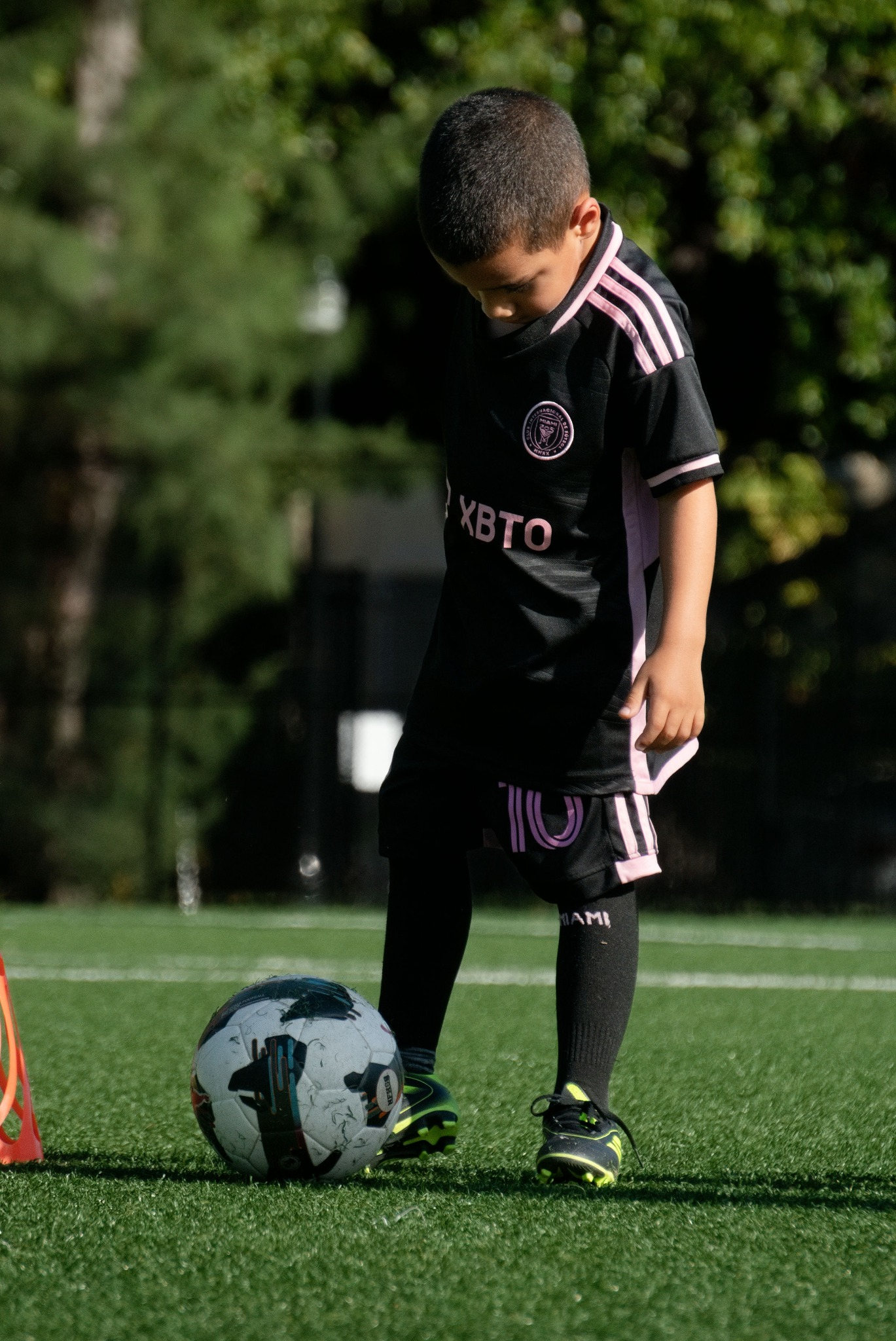
After a goal, he was yelled at and blamed for the loss. What adults say can shape whether a child feels safe to learn.
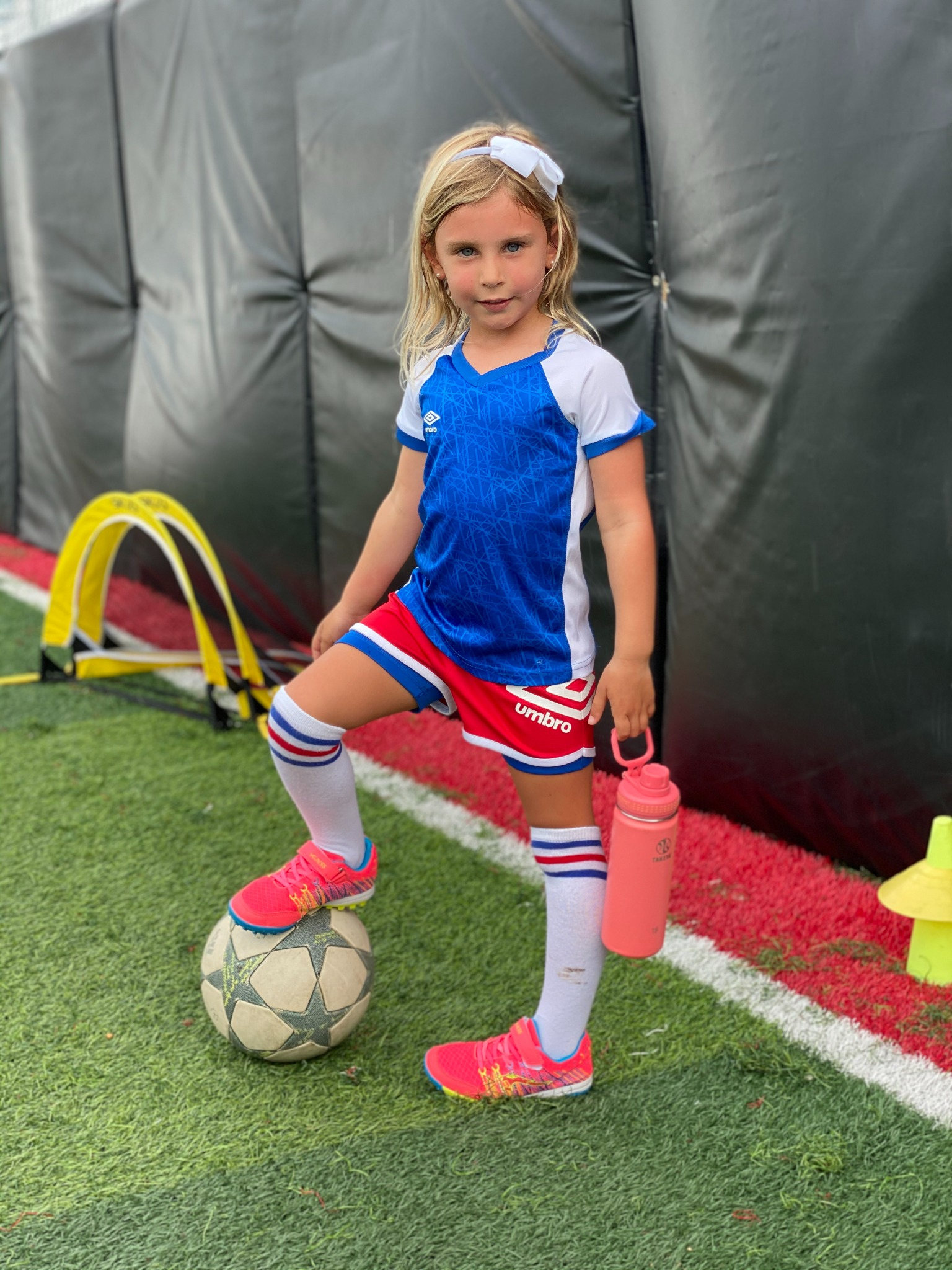
One overwhelming early co-ed experience turned her away from soccer. The environment matters as much as the opportunity.
Build on the 2026 City-partnered Festival and help bring more high-quality, accessible youth sports into the community.
ONE COMMUNITY CAN SHOW WHAT IS POSSIBLE.
Coaches shape how young athletes experience pressure, mistakes, competition, belonging and growth.
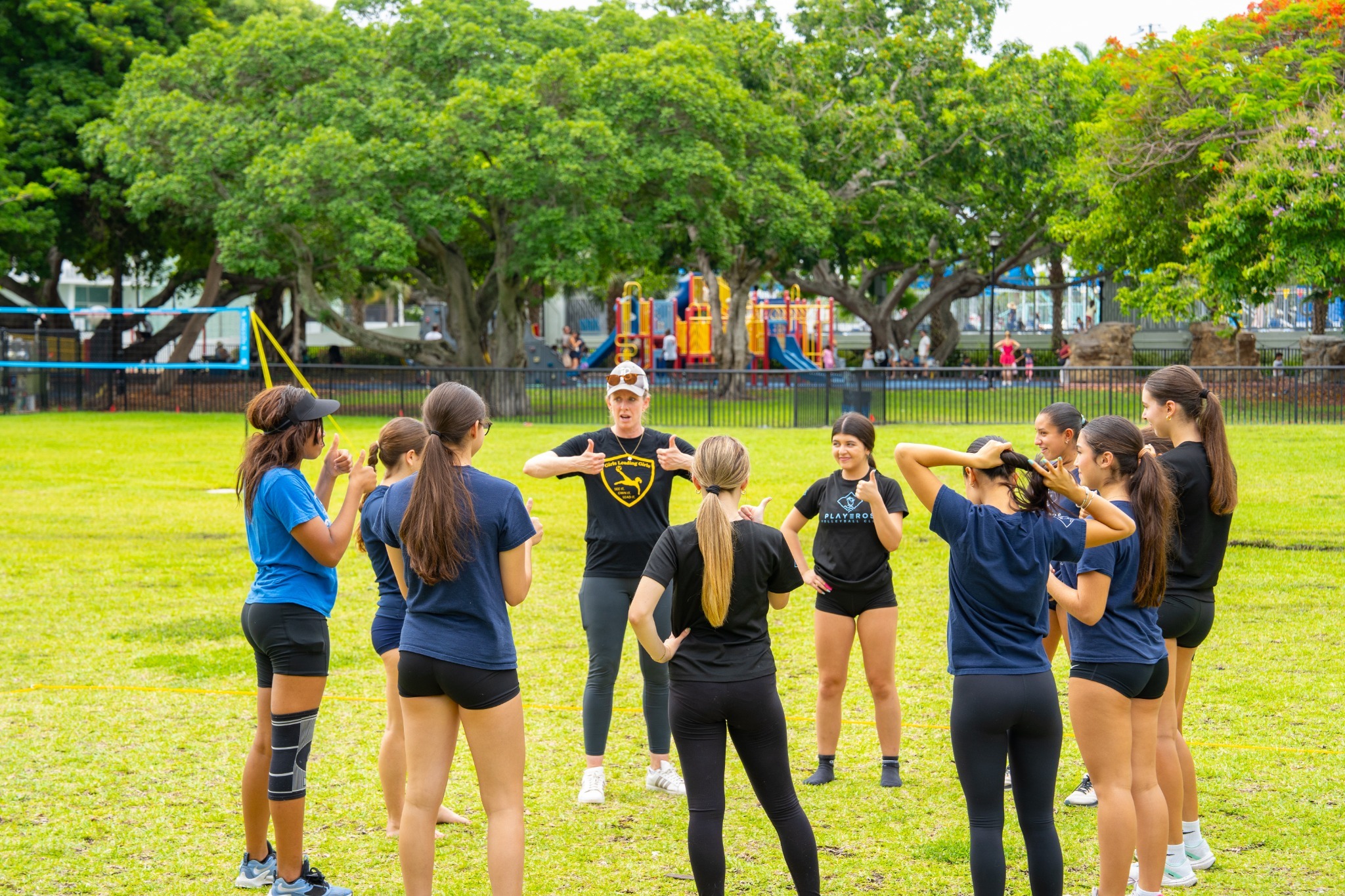
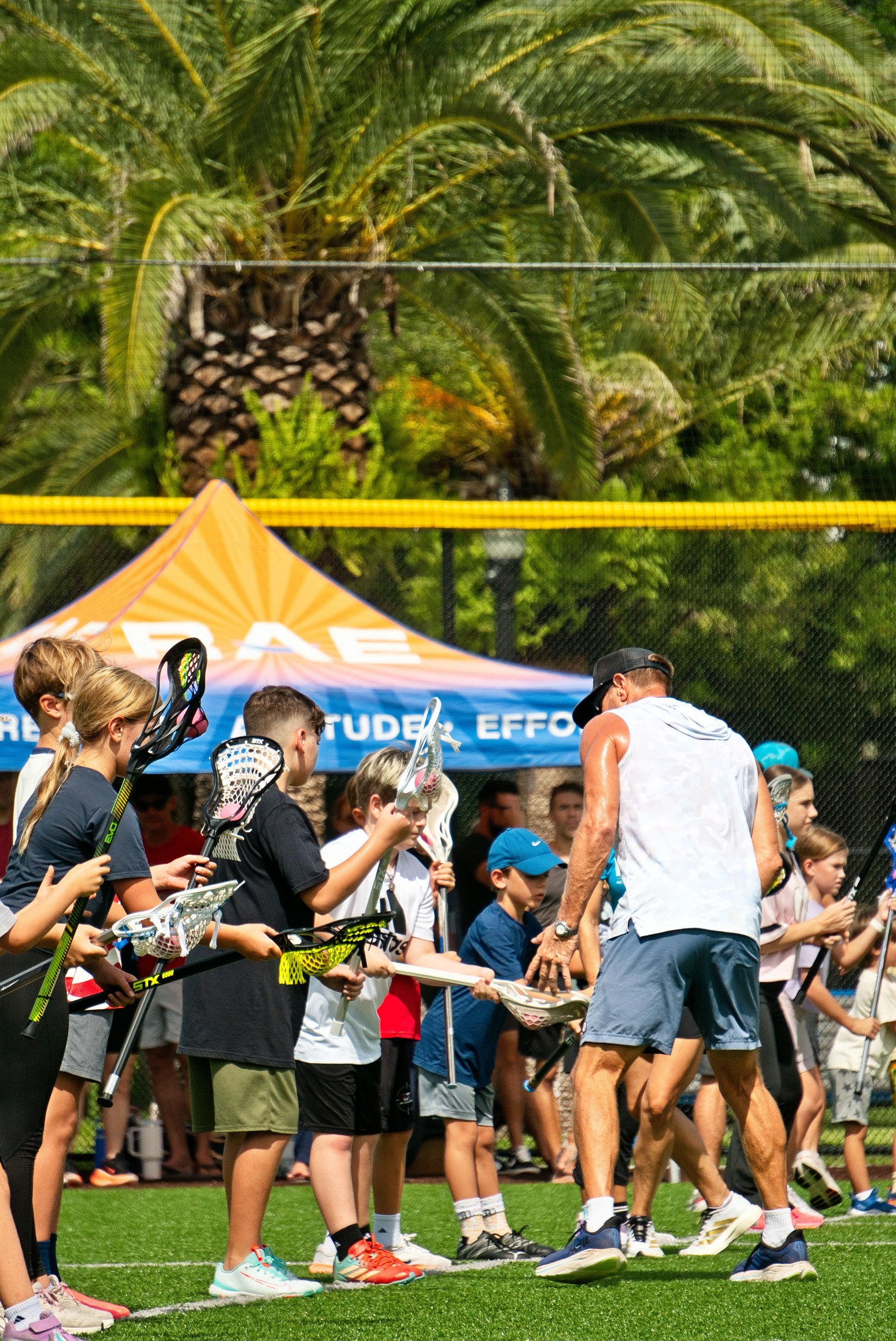
MBYSF brings coach, parent and athlete education into the community — while adding dedicated education on how to coach girls and support their continued participation in sport.
Community funding brings practical education to coaches, parents and athletes. The goal is not to lower competitive standards; it is to help children learn, take risks and grow in an environment where mistakes become instruction rather than humiliation.
Community-powered means: excellent coaches and providers are paid fairly, family contributions remain affordable wherever possible, and philanthropy supports quality and equitable access. The child’s development—not program revenue—is the benchmark.
Sport gives children real experiences with pressure, adversity, frustration, responsibility and teamwork.
The adult response to those moments matters. A mistake can become information. A loss can become a lesson. Pressure can become practice.
Or the same moments can become humiliation, fear and a reason a young person no longer wants to play.
In Aspen Institute Project Play’s 2026 national youth survey, 23% of current players named bad coaching among their least favorite aspects of organized sports.
Aspen Institute Project Play · National Youth Survey (April 2026) ↗After a mistake led to a goal, Luca's coach yelled at him in front of his team and later blamed him for the loss.
The moment was bigger than one play. It showed how much responsibility adults carry when children are learning to compete, recover and respond to adversity.
Positive Coaching education gives coaches, parents and athletes a shared framework for handling those moments differently.
The annual education plan creates multiple points of contact across the adults and young people who shape the sports environment.
It combines Positive Coaching education for coaches, parents and athletes with dedicated Girls in Sports sessions focused on helping adults better understand how to coach and support girls.
160 in-person participants plus 40 online, focused on positive leadership, development and sports culture.
Education designed to help families support development, competition, confidence and the athlete experience.
Tools to help young athletes respond to mistakes, pressure, competition, setbacks and team responsibility.
Dedicated education with a girls-sports lens, including how adults can better coach, develop and retain girls in sport.
Give coaches practical tools for correcting mistakes, communicating under pressure, maintaining standards and creating environments where athletes remain valued.
Help parents understand how their behavior around practices, games, mistakes and performance influences the athlete experience.
Help athletes develop reflection, composure, responsibility and healthier ways to respond to pressure and setbacks.
Add a dedicated gender-informed lens so coaches and adults better understand the conditions that can help girls enter, belong and remain in sport.
The budget is a defined proposal—not a promise that every planned outcome has already been achieved. Before a donor commits, MBYSF and the implementing partner can confirm the final scope, funding designation and intended measures of success.
The proposed annual mix: six coach workshops, three parent workshops, three athlete workshops, and three girls-sports education sessions.
A $21,000 education plan; approximately 500 coach, parent and athlete participations are a planned core-workshop reach, not past results or necessarily unique people.
Reinforce and evaluate habits after workshops; future years require renewal or another confirmed source of funding.
Funds with related purposes are coordinated across the MBYSF portfolio. Each eligible cost and resulting participant outcome is recorded once, even if it advances more than one mission pillar.
The direct workshop numbers tell only part of the story.
Coach education changes the environment children return to every practice and every game. Parent education influences what happens before and after competition. Athlete education gives young people tools they can use themselves.
Donor reporting should show who participated, what was delivered and whether the education is beginning to influence the sports environment around children.
Track coaches, parents and athletes participating across in-person and online education.
Track the number and type of workshops delivered against the annual education plan.
Gather feedback on relevance, usefulness and confidence applying what participants learned.
Where practical, assess how coaches are applying positive leadership and communication principles in their programs.
Track participation in Girls in Sports sessions and the reach of education specifically focused on coaching girls.
Track repeat participation, future training demand and opportunities to embed positive coaching standards more broadly across local sports.
These are proposed measures to agree with each donor and implementing partner. Actual results will be reported separately from projections, and duplicate registrations or activities will not be presented as unique children served.
Research and national youth-sports frameworks consistently point to the importance of coaching relationships, positive environments, developmentally appropriate expectations and belonging in the athlete experience.
Annual funding of $21,000 brings Positive Coaching education to coaches, parents and athletes while adding dedicated education around coaching girls.
The workshop reaches the participant. What they do differently can change the experience of an entire team.
Girls need high-quality places to begin, develop, compete and keep progressing.
Funding for Girls in Sports provides the coaching capacity to help an emerging local program grow into a consistent, year-long pathway.
Dedicated coaching creates a consistent girls-focused environment where beginners can enter, committed athletes can develop, and older girls can model what is possible. Girls should have quality choices close to home, not have to travel just to find a place to belong.
Community-powered means: excellent coaches and providers are paid fairly, family contributions remain affordable wherever possible, and philanthropy supports quality and equitable access. The child’s development—not program revenue—is the benchmark.
Girls cannot choose opportunities that do not exist.
Participation depends on more than interest or ability. Girls need accessible entry points, quality coaching, environments where they belong and clear opportunities to keep developing.
When those pathways are limited, girls may have fewer opportunities to begin locally — and committed athletes may have to travel farther to continue progressing.
Aspen Institute Project Play reports that 37% of girls ages 6–17 regularly participated in sports in 2024 (SFIA data), still below the rate for boys.
Aspen Institute Project Play · 2025 Participation Trends (2024 data) ↗The introductory planning model funds five trained coaches across 36 weekly sessions, providing coaching capacity for up to 100 girls at a 20-to-1 athlete-to-coach ratio.
Philanthropy secures the coaching foundation first — allowing family contributions to carry less of the cost while protecting program quality.
Fund enough trained coaches to move beyond a small pilot and support a larger, consistent program.
Give girls a consistent weekly opportunity to learn and develop, rather than relying only on isolated clinics or short-term programming.
Philanthropic support shares the cost of quality across the community instead of requiring families to carry the entire coaching expense.
A stable coaching foundation creates the capacity from which games, competition, advanced development and leadership opportunities can grow.
The budget is a defined proposal—not a promise that every planned outcome has already been achieved. Before a donor commits, MBYSF and the implementing partner can confirm the final scope, funding designation and intended measures of success.
Five qualified coaches at $300 each, across 36 weekly sessions, for one designated priority girls sport.
The $54,000 amount covers the modeled coaching foundation only. Competition, league, travel and any other sport-specific operating costs must be scoped separately. Up to 100 girls reflects a 20:1 planning ratio, not guaranteed enrollment.
Build retention and age-appropriate next steps; a further season or annual cycle requires its own confirmed operating plan.
Funds with related purposes are coordinated across the MBYSF portfolio. Each eligible cost and resulting participant outcome is recorded once, even if it advances more than one mission pillar.
MBYSF has begun working with talented local women to create and strengthen opportunities for children and girls.
The next funding priority is not simply about launching another idea. It is about giving promising local leadership enough coaching capacity to build programs that can grow.
Donors should be able to see what their support changed. Reporting can track both the reach of the program and whether girls have meaningful opportunities to enter, stay and progress.
Track registrations, participation and the number of girls served by the funded program.
Track coaches funded, sessions delivered and whether the planned athlete-to-coach ratio is maintained.
Track participant fees, financial assistance and how philanthropic support changes the cost carried by families.
Measure whether participants continue across sessions and return for future programming.
Track movement into games, competition, advanced development or other appropriate pathways.
Track female coaches, mentors and older athletes taking on leadership roles around the program.
These are proposed measures to agree with each donor and implementing partner. Actual results will be reported separately from projections, and duplicate registrations or activities will not be presented as unique children served.
National and Florida research reinforces the importance of access, belonging, coaching quality and sustained opportunity in girls' sports participation.
Funding of $54,000 provides the annual coaching foundation for one priority girls sport: five trained coaches, 36 weekly sessions and capacity for up to 100 girls.
The opportunity begins with coaching. What girls do with it is theirs to decide.
MBYSF gives Miami Beach students opportunities to gain real-world experience through the work happening around youth sports.
Students can begin through internships, volunteer roles and project-based experience. Those who demonstrate skill, reliability and initiative can progress toward paid opportunities with experienced guidance to help them continue developing.
Youth sports can develop more than players. Supervised work, mentorship and accessible paid opportunities help young people build judgment, skills, a portfolio and confidence as community contributors.
Community-powered means: excellent coaches and providers are paid fairly, family contributions remain affordable wherever possible, and philanthropy supports quality and equitable access. The child’s development—not program revenue—is the benchmark.
An internship can give a student a first chance to learn, contribute and discover where their strengths lie.
But students who demonstrate real skill, responsibility and initiative need a next step.
A structured pathway can turn early experience into paid work, mentorship, a stronger portfolio, professional references and preparation for future opportunities.
The Search Institute’s developmental relationships framework emphasizes the importance of caring adults who provide support, challenge, shared power and opportunities for growth.
Search Institute · Developmental Relationships Framework ↗Camila is a Miami Beach Senior High flag football player who hopes to compete in college.
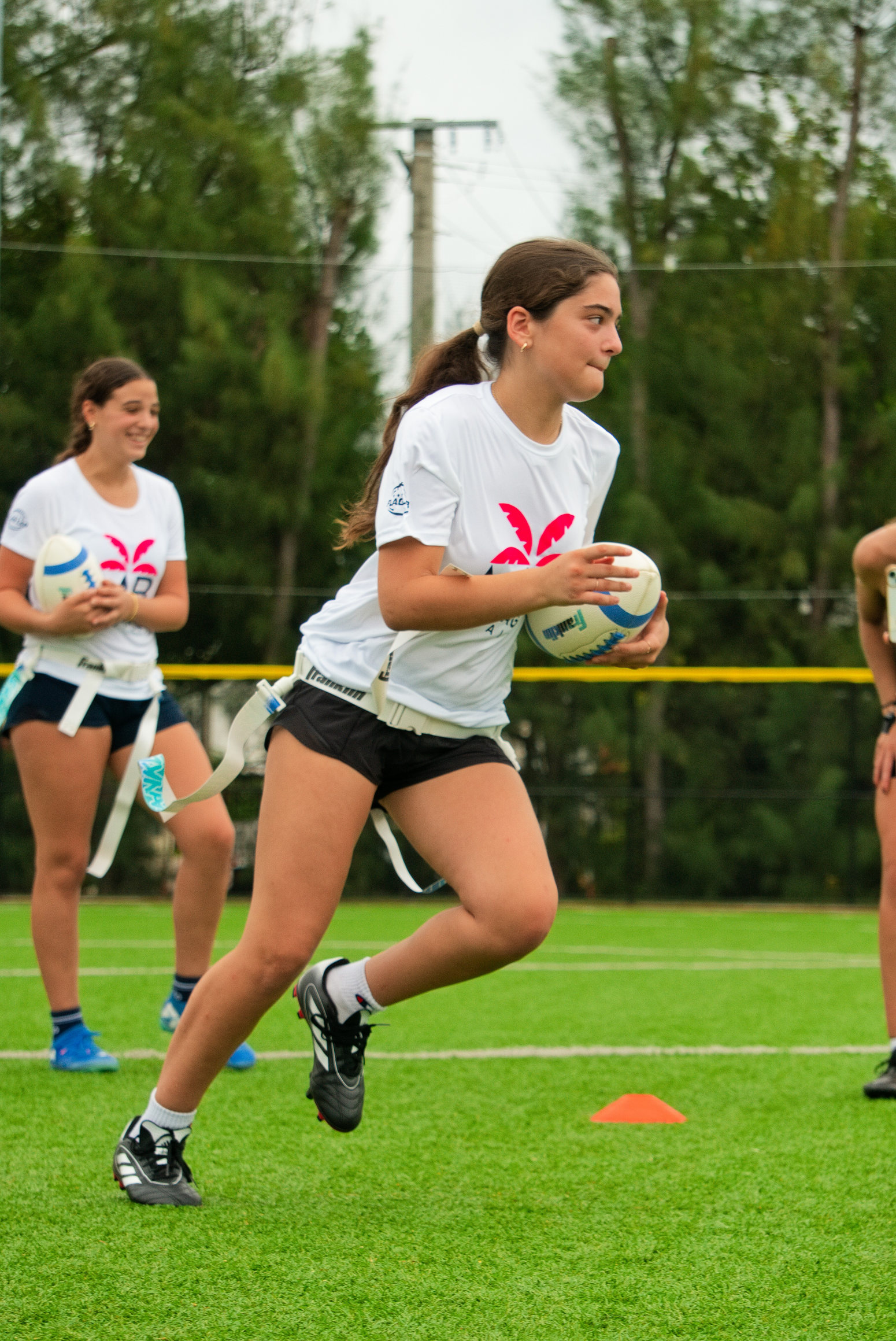
MBYSF and Flag Lab connected her with an opportunity to attend a showcase in front of Florida Atlantic University coaches while helping create year-round opportunities for her to keep developing.
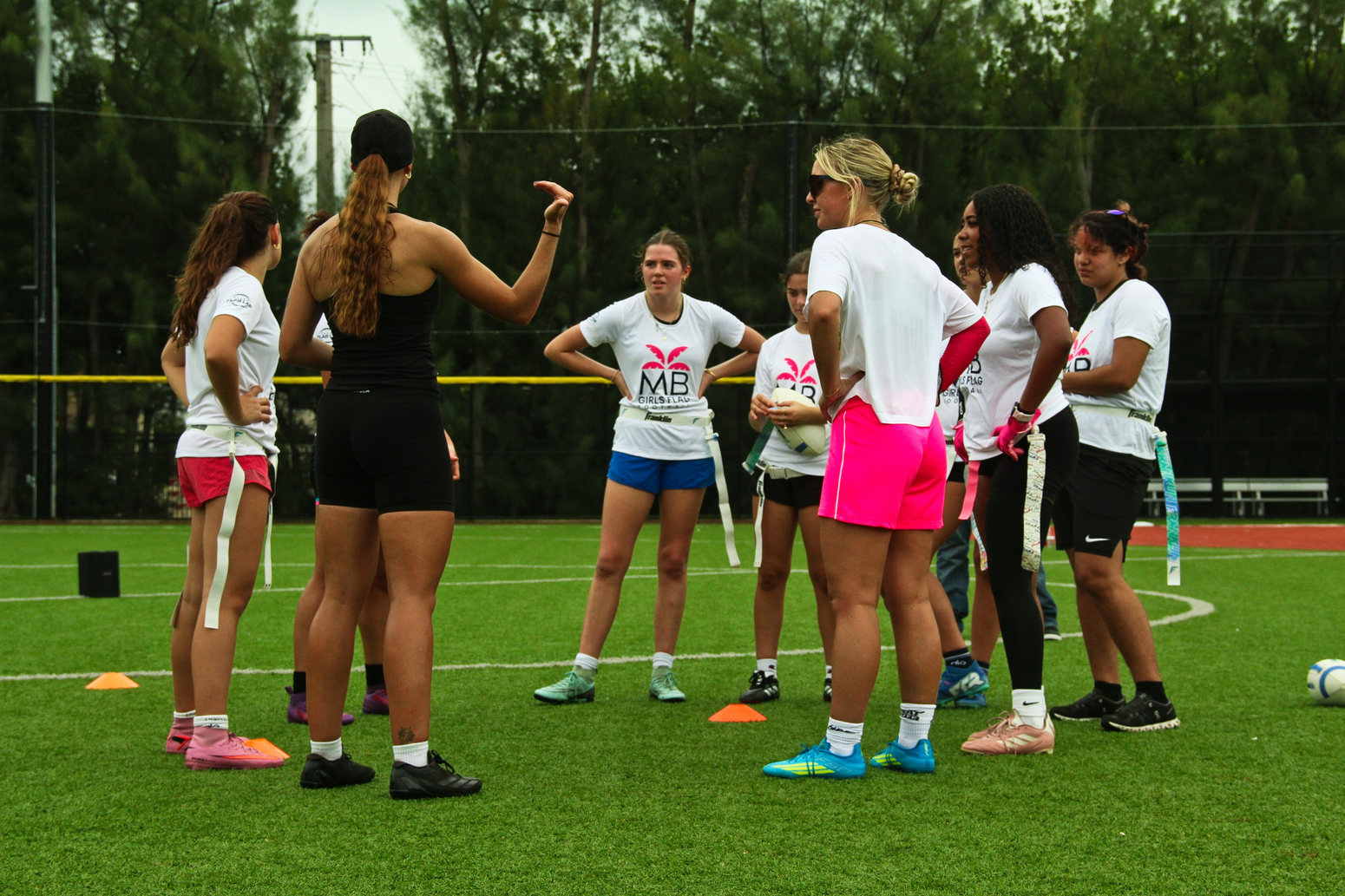
Her pathway is now expanding in another direction. By working under Coach Kat as an assistant coach, Camila can gain experience mentoring elementary-age girls while learning from an experienced coach.
MBYSF can create entry-level experience across coaching, events, operations, marketing, media, outreach, advocacy and other areas of the organization.
The $20,000 commitment creates the next level: experienced adult guidance, two paid student positions and the employment infrastructure needed to support meaningful paid work.
Give students real responsibilities through internships, volunteer roles and project-based work across MBYSF programs and events.
Create paid positions for students who show skill, reliability, initiative and the ability to take on greater responsibility.
Give students access to an experienced advisor who can critique work, teach professional habits and help sharpen their skills.
Help students leave with stronger portfolios, references, work experience and clearer understanding of where their interests can lead.
The budget is a defined proposal—not a promise that every planned outcome has already been achieved. Before a donor commits, MBYSF and the implementing partner can confirm the final scope, funding designation and intended measures of success.
A $4,800 advisor allocation, $12,000 for two paid student content positions, and $3,200 for employment and program support: $20,000 total.
The budget underwrites two paid student content roles, not paid junior-coach or event-staff positions. Additional leadership projects are part of the wider program and require their own staffing and funding where appropriate.
Students leave with practical experience, work samples, mentoring and references; follow-on placements depend on readiness, available roles and funding.
Funds with related purposes are coordinated across the MBYSF portfolio. Each eligible cost and resulting participant outcome is recorded once, even if it advances more than one mission pillar.
MBYSF is already creating different ways for young people to learn by doing.
The $20,000 funding commitment gives those early opportunities a more structured next step — including mentorship and paid positions for students ready to advance.
A 2026 graduate of Miami Beach Senior High, Zoe began contributing her photography and social-content skills through MBYSF's Youth Media & Content internship. She now works as a paid photography and social-content intern, documenting the athletes, programs and people behind Miami Beach youth sports.
Her progression from learning by doing to paid creative work is exactly the kind of youth leadership pathway MBYSF wants to build.
Donor reporting should show both the opportunities created and how students progress as their skills and responsibilities grow.
Track the number of students participating in internships, project roles and leadership opportunities.
Track meaningful work completed, experience gained and the responsibilities students take on.
Track progression from early experience into paid positions when students demonstrate readiness.
Track direct mentoring, feedback sessions and professional-development support.
Track tangible work students can use to demonstrate their growing skills to future schools or employers.
Track references, continued employment, internships, educational opportunities and other next steps where known.
These are proposed measures to agree with each donor and implementing partner. Actual results will be reported separately from projections, and duplicate registrations or activities will not be presented as unique children served.
Youth development research supports the value of meaningful responsibility, mentorship, experiential learning and opportunities for young people to practice skills in real settings.
Annual funding of $20,000 adds the structure that helps early experience become something more: an experienced advisor, two paid student positions and the support required to make those positions meaningful.
Give students a place to begin. Help the strongest candidates earn the opportunity to advance.
Community access can begin with a first experience — or simply with a consistent place to show up and play.
MBYSF uses open play, free community events and the annual Youth Sports & Wellness Festival to lower the first barrier, connect families to local opportunities and understand where stronger pathways should be built next.
Free and low-barrier play experiences let families discover sports, meet local coaches and connect to ongoing programs without paying for an entire season first. The event is the entry point; continued participation is the opportunity.
Community-powered means: excellent coaches and providers are paid fairly, family contributions remain affordable wherever possible, and philanthropy supports quality and equitable access. The child’s development—not program revenue—is the benchmark.
Organized sports are important, but they are not the only way children develop a relationship with play.
Sometimes a child needs a low-pressure place to show up after school, meet other kids and play.
Sometimes a family needs an easy way to try a new sport before committing to a full season.
And sometimes an entire community benefits from coming together around sports, wellness and shared experiences.
Among young people who had never played organized sports, 47% said they would prefer a public sports facility if they joined, according to Aspen Institute Project Play’s 2026 national youth survey.
Aspen Institute Project Play · National Youth Survey (April 2026) ↗Atlas wanted to find a team sport she could play with other girls.
Age-appropriate options close to home were limited, and committing to a full season without knowing whether she liked the sport was a difficult first step.
At the Youth Sports & Wellness Festival, she was able to explore different sports without that commitment.
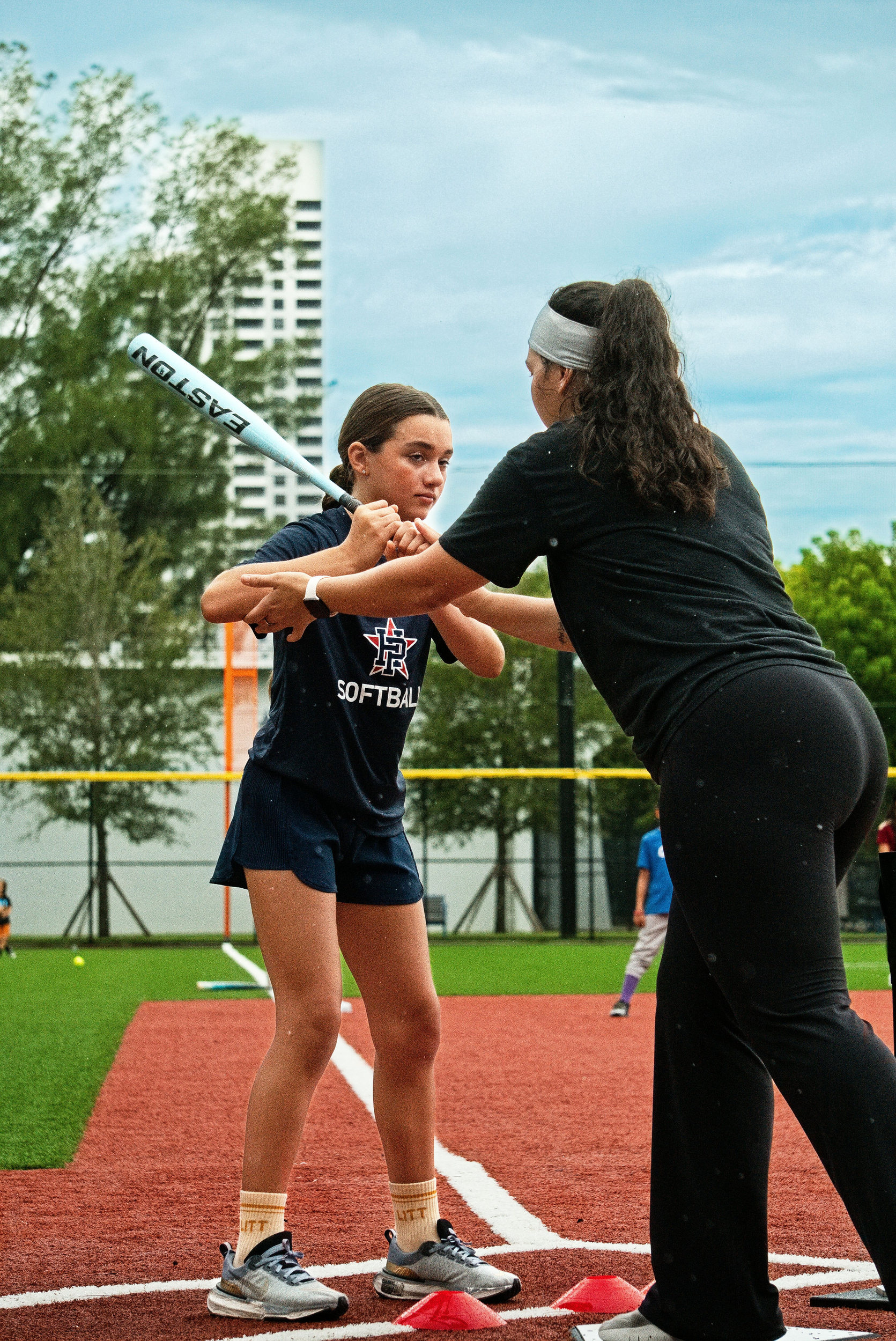
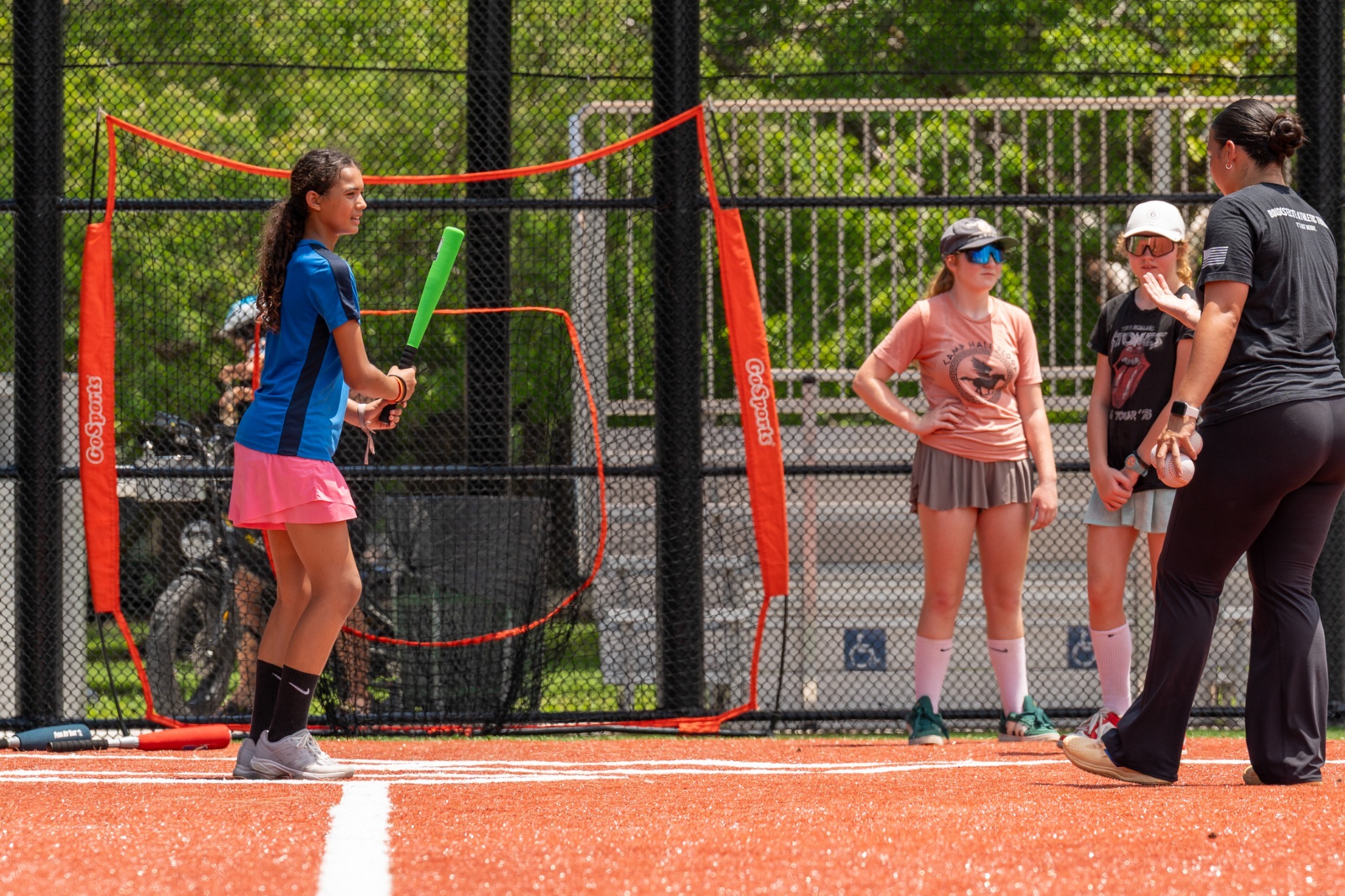
She found softball — and a place where she could learn, play and belong with other girls.
Donors can support three different layers of community participation: a consistent weekly place to play, recurring free sports experiences or MBYSF's large-scale annual festival.
Each addresses a different need, but all are designed to make sport easier to enter and easier to experience locally.
Across weekly open play, community events and the annual festival, donor support pays for the people, equipment, operating infrastructure and access costs required to make participation possible.
Coaches, supervisors, instructors and activity leaders who create a safe, welcoming and organized environment.
Sports equipment, event materials and production needs required to deliver quality community play experiences.
Staffing, scheduling, setup, participant flow and safety-related operating needs.
Donor support helps keep participation free or low-barrier so local children can simply show up and play.
The budget is a defined proposal—not a promise that every planned outcome has already been achieved. Before a donor commits, MBYSF and the implementing partner can confirm the final scope, funding designation and intended measures of success.
Choose one defined activation: modeled $11,000 weekly open play, $32,000 for eight mini-events, or $56,000 for the annual Youth Sports & Wellness Festival.
The alternatives are not one combined package by default. Staffing, safety, equipment and event production are scoped to the selected activation; figures are planning budgets, not audited costs of the 2026 festival.
Offer a follow-up directory, community contact and next-step information so discovery can lead to a recurring program if the family chooses.
Funds with related purposes are coordinated across the MBYSF portfolio. Each eligible cost and resulting participant outcome is recorded once, even if it advances more than one mission pillar.
The 2026 Youth Sports & Wellness Festival demonstrated the appetite for accessible, local, multi-sport experiences.
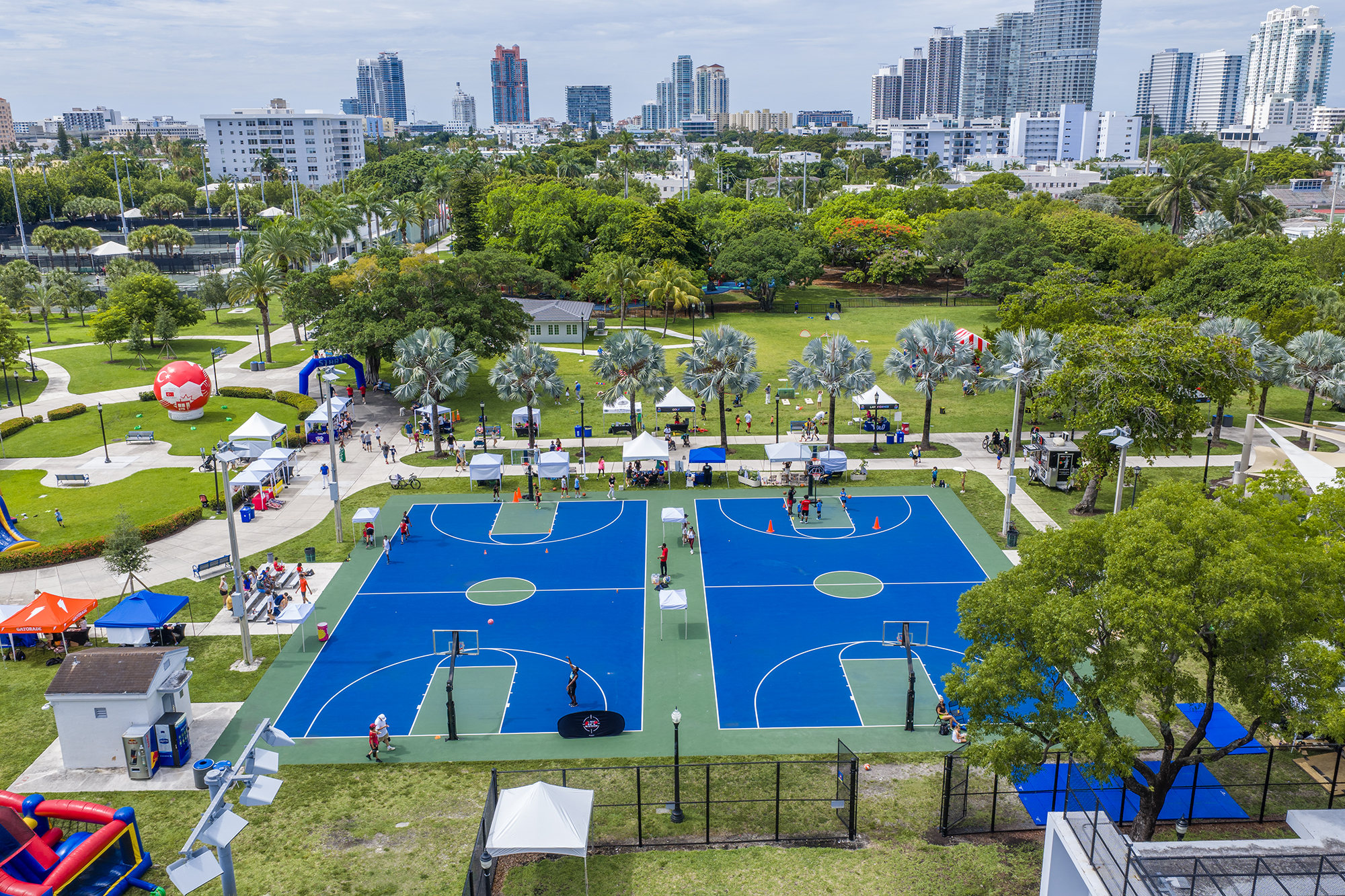
Over three days at Flamingo Park, children and families participated in sports, tournaments, clinics, workshops and community activities.
Source: MBYSF 2026 Community Impact Report. The 1,822 event registrations include parents and other attendees; 852 refers to unique participants. Families, event registrations and unique participants are distinct measures and must not be added together.
Donor reporting should show not only how many children participated, but what those experiences reveal about local demand, continued engagement and where stronger pathways may be needed next.
Track registrations, attendance and repeat participation across open play, community events and festival activities.
Track how many children are able to participate without the financial or commitment barriers of a full seasonal program.
For open play, track attendance over time and whether children return consistently across the 36-week schedule.
Track participation across different sports to understand what children and families are interested in exploring.
Track local coaches, providers and community partners families encounter through the experience.
Where possible, track interest in clinics, seasonal programs, teams and other next-step opportunities.
These are proposed measures to agree with each donor and implementing partner. Actual results will be reported separately from projections, and duplicate registrations or activities will not be presented as unique children served.
National youth-sports research consistently emphasizes accessible entry points, community-based opportunities and environments that make it easier for children to begin and remain active.
A consistent place to play, a free first experience or one community-wide weekend can each create a different kind of opportunity for a child.
Donor support makes those experiences possible — and helps MBYSF learn what families want, where children keep showing up and what the community should build next.
Coach Launch gives a talented community coach the first-year infrastructure needed to turn coaching expertise into an operating local program.
The coach brings the sport knowledge, relationships and vision. MBYSF helps build the structure around them.
Coach Launch helps promising local coaches clear first-year infrastructure barriers: insurance, legal and accounting setup, enrollment, equipment and access to space. The goal is an accessible community program led by the expert, with charity-funded costs tied to measurable benefit for children.
Community-powered means: excellent coaches and providers are paid fairly, family contributions remain affordable wherever possible, and philanthropy supports quality and equitable access. The child’s development—not program revenue—is the benchmark.
A talented coach may know exactly how to teach the sport, develop young athletes and create a strong culture.
But turning that expertise into an operating program requires capital and infrastructure: legal structure, insurance, accounting, registration, field access, equipment, marketing and community outreach.
For an independent coach or small provider, those early costs and responsibilities can become the barrier between a strong idea and a program families can actually join.
The Aspen Institute’s 2025 parent survey found that average spending on a child’s primary sport rose 46% from 2019 to 2024—a reminder of why accessible local options matter.
Aspen Institute Project Play · Family Spending Survey (March 2025) ↗Coach Solange brought the expertise to create local opportunities for children to build strength, confidence and lifelong movement habits.
MBYSF helped provide structure, visibility and community support so MB Fit Kids could move from an idea into a program available to local families.
That launch became an early proof point for the Coach Launch model: identify talented community coaches, help remove first-year barriers and give their programs a stronger foundation from which to grow.
The $12,500 Coach Launch model is designed around three first-year needs: creating the business foundation, building enrollment and supporting initial program delivery.
The exact allocation may vary by coach, sport and operating need, but every launch is scoped around these core areas.
Legal entity setup, first-year insurance and accounting support create the operating foundation for the coach-led program.
Website development, launch marketing, program materials and community outreach help families discover and enroll in the program.
First-year field or location fees, equipment and registration support help move the program from planning into delivery.
The budget is a defined proposal—not a promise that every planned outcome has already been achieved. Before a donor commits, MBYSF and the implementing partner can confirm the final scope, funding designation and intended measures of success.
First-year infrastructure to establish the program, build community awareness and support initial delivery. The MB Fit Kids $8,400 lean pilot is a local example informing the proposed $12,500 model.
This is scoped startup and public-benefit funding, not an unrestricted transfer to an independent sports business. Final allocations depend on documented coach and program needs.
Test demand, affordability, attendance and operating viability during the first cycle. Ongoing revenues or renewed philanthropic support—not assumed future gifts—must sustain subsequent cycles.
Funds with related purposes are coordinated across the MBYSF portfolio. Each eligible cost and resulting participant outcome is recorded once, even if it advances more than one mission pillar.
MBYSF launched MB Fit Kids with a lean pilot investment.
That experience helped identify the practical support required to move a coach-led concept toward an operating community program and informed the fuller $12,500 Coach Launch model.
Donors should be able to see what their support helped create. Coach Launch reporting can track both the launch itself and the program's early progress toward sustainability.
Core launch infrastructure completed and the program prepared to operate responsibly.
Track outreach, registrations and the number of children entering the program.
Track whether the program moves successfully from launch into consistent delivery.
Where applicable, track scholarships, introductory access and participation opportunities created for local families.
Track earned program revenue and the degree to which the program begins supporting its own operating costs.
Review what additional support, earned revenue or capacity is required for the program's next stage.
These are proposed measures to agree with each donor and implementing partner. Actual results will be reported separately from projections, and duplicate registrations or activities will not be presented as unique children served.
Coach Launch is primarily an MBYSF operating model. the strongest evidence for this funding approach is the local pilot itself, supported by broader research on the importance of quality coaching and strong community sports systems.
Funding of $12,500 for Coach Launch gives one talented community coach the first-year foundation to move from expertise to an operating local program.
You fund the infrastructure. The coach builds the opportunity.
Miami Beach already has committed coaches, trusted providers and children who want to play.
Program Support puts philanthropic resources around those existing programs so they can add qualified coaches, protect quality and make room for more children.
Philanthropy can add coaching capacity without requiring families alone to finance every additional roster spot. The provider keeps coaching expertise and program delivery; MBYSF helps connect community investment to more accessible participation.
Community-powered means: excellent coaches and providers are paid fairly, family contributions remain affordable wherever possible, and philanthropy supports quality and equitable access. The child’s development—not program revenue—is the benchmark.
Children can want to play. Families can want local options. Coaches can be ready to teach them.
But a quality program can only serve as many athletes as its coaching capacity allows.
When demand grows faster than the number of qualified coaches, programs have fewer places to offer, group sizes can increase and families may begin looking elsewhere for opportunity.
Philanthropy can solve a very practical problem: fund the coaching capacity that allows a strong existing program to serve more children well.
Aspen Institute Project Play found that the average family spent $1,016 on one child’s primary sport in 2024—46% more than in 2019.
Aspen Institute Project Play · Family Spending Survey (March 2025) ↗More than 60 children tried out for approximately 20 local soccer spots.
Benji wanted to keep playing. So did many of the other children who showed up.
The demand was there. The community simply did not have enough room to accommodate everyone.
For Ethan, the cost of pursuing quality soccer is also measured in hours away from home.
Ethan loves soccer and wants to keep developing. But the training opportunities he has pursued can mean traveling about an hour each way. On some practice nights, he is home after 9:30 p.m., with homework still waiting.
Those hours come out of the same day he needs for rest and recovery, school, friendships and family. This is not about eliminating travel for special tournaments or high-level competition. It is about creating more credible, high-quality local programs so leaving Miami Beach is a choice—not the default for everyday development.
Program Support helps qualified local providers add coaches and serve more children. Alongside Coach Launch and Places to Play, that can mean stronger options close to home and less pressure on family routines.
Keeping quality programs local is a quality-of-life investment.
Program Support funding of $54,000 covers five trained coaches across 36 weekly sessions.
At the introductory planning ratio of approximately 20 athletes per coach, that creates coaching capacity for up to 100 children.
The same coaching model can scale to match a donor's funding commitment.
Funds one trained coach across 36 weekly sessions.
Expands the coaching team while maintaining the same introductory planning ratio.
Creates meaningful additional program capacity across the full 36-week cycle.
Funds the full introductory coaching foundation for a larger local program.
This funding is intentionally focused: put more qualified coaches around programs already serving children and let that added capacity expand what the provider can offer.
Additional coaches allow existing programs to responsibly serve more local children.
Added staff helps preserve appropriate group sizes and meaningful coaching attention as participation grows.
Fund sustained weekly coaching rather than relying only on short clinics or occasional opportunities.
Providers retain their identity, expertise and relationships while philanthropic resources expand what they can deliver.
The budget is a defined proposal—not a promise that every planned outcome has already been achieved. Before a donor commits, MBYSF and the implementing partner can confirm the final scope, funding designation and intended measures of success.
Coach-hours at $300 per coach per week for 36 weeks: $10,800 for one coach, up to $54,000 for five coaches.
This funds coaching capacity only. Group sizes and up to 20 children per coach are an introductory planning ratio, not a promise of new admissions or a universal staffing standard for every sport and age.
The provider and MBYSF should review fees, enrollment demand, coach quality and funding mix before deciding on a renewed cycle.
Funds with related purposes are coordinated across the MBYSF portfolio. Each eligible cost and resulting participant outcome is recorded once, even if it advances more than one mission pillar.
Miami Beach does not need every sports program to become an MBYSF-operated program.
Local coaches and providers already bring sport-specific expertise, trusted relationships and knowledge of their athletes.
MBYSF's role is to help bring additional resources around strong programs when greater capacity, access or infrastructure is needed.
Program Support is designed so a donor can see the direct relationship between the funding, the coaching added and the number of children that added capacity can support.
Donor reporting should show exactly what the added coaching capacity allowed the supported program to deliver.
Track the number of qualified coaches directly supported by this funding.
Track weekly sessions completed across the funded program cycle.
Track registrations and the number of children participating through the added coaching capacity.
Monitor group size and whether the program is maintaining its intended coaching ratio.
Where applicable, track participant fees, financial assistance and how philanthropic support changes the cost carried by families.
Track demand, repeat participation and whether added capacity is helping the program build sustainably.
These are proposed measures to agree with each donor and implementing partner. Actual results will be reported separately from projections, and duplicate registrations or activities will not be presented as unique children served.
National youth-sports research continues to document rising family costs, uneven access and the importance of stronger community-based systems that allow more children to participate consistently.
The coaches, providers and children are already here.
Program Support funding of $54,000 covers five trained coaches across 36 weeks and creates modeled capacity for up to 100 children.
You are not replacing the program. You are giving it more capacity to serve.
Great programs need coaches. Children also need something even simpler: safe, usable places where they can meet friends, bring a ball, practice and play.
Funding for Places to Play helps expand the spaces, equipment and usable hours that keep sport accessible inside the community.
Public fields, courts and flexible mini-spaces support informal practice, friendship and movement alongside organized programs. Community funding can increase usable hours, equipment or infrastructure—but only when there is a viable site and public-use arrangement.
Community-powered means: excellent coaches and providers are paid fairly, family contributions remain affordable wherever possible, and philanthropy supports quality and equitable access. The child’s development—not program revenue—is the benchmark.
Not every sports experience needs a team, a registration fee or a season-long commitment.
Children also develop by playing informally: practicing with friends, trying new skills, joining a pickup game or simply having somewhere safe to be active.
But even informal play depends on access: available courts and fields, usable hours, working equipment, lighting and spaces designed for children to actually use them.
Philanthropy can help make existing public assets more usable and create new community play capacity where it is needed.
In Aspen Institute Project Play’s 2026 national youth survey, 47% of young people who had never played organized sports said they would prefer a public sports facility if they joined.
Aspen Institute Project Play · National Youth Survey (April 2026) ↗Elias loves sports. But he does not always want another team, another schedule or another registration.
Sometimes he simply wants to meet his friends, bring a ball and play.
That kind of play matters too. It gives children room to experiment, practice, connect with friends and enjoy sport on their own terms.
MBYSF is seeking philanthropic and corporate partners for two proposed public-space projects in Miami Beach: micro soccer courts on Ocean Drive and dedicated youth fitness hubs at Muscle Beach and Altos Del Mar Park.
These are proposed community funding concepts, not approved construction projects. Final scope, site permissions, installation costs, City responsibilities and public access arrangements must be agreed before implementation.
Both concepts are intended to expand places where children and families can be active close to home. Donations can support a complete facility or form part of a larger pooled project commitment.
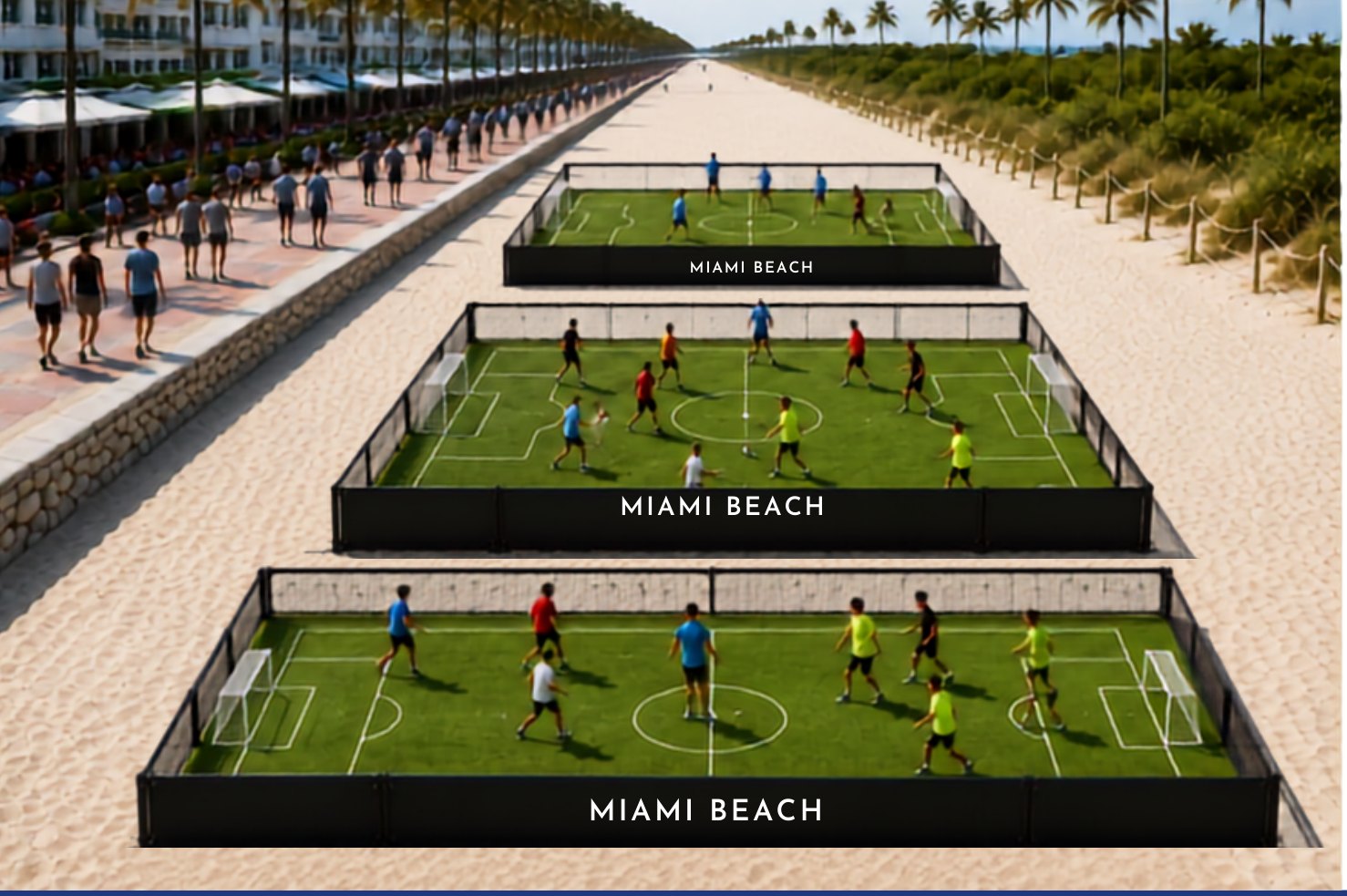
3 proposed courts · $180,000 combined base estimate, plus installation
Proposed permanent micro soccer courts would create a public destination for pickup play, skill-building, family activity and community programming.
Designed for children and families of different ages and abilities, with free and low-cost opportunities as described in MBYSF's concept.
Proposed delivery model: MBYSF fundraises, helps implement and activate, then donates the completed improvements; public ownership, maintenance and access would be determined with the City of Miami Beach through the necessary approvals and cooperative agreement. Project status, locations, design and budget remain subject to review. Any donor recognition would require applicable City approval.
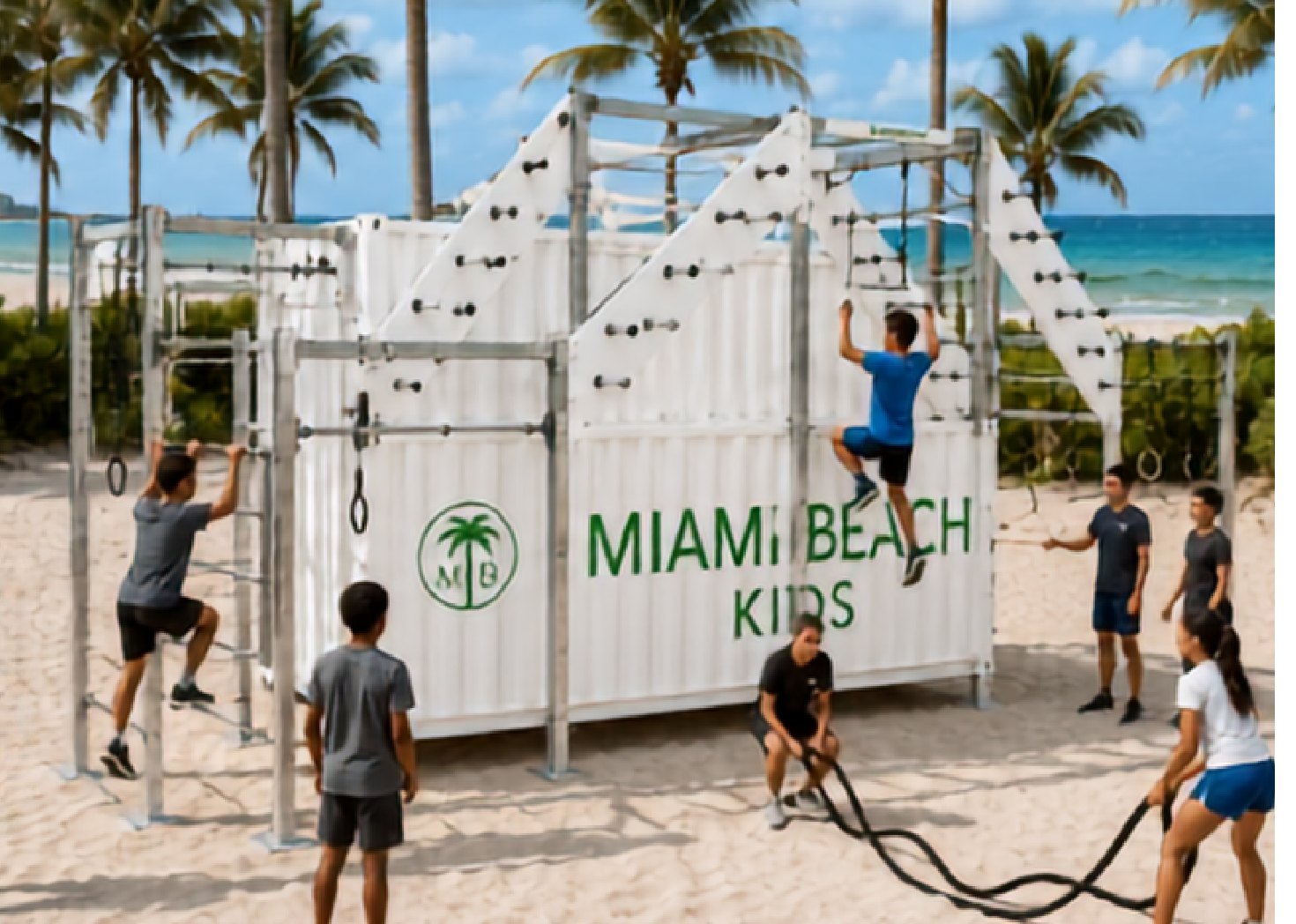
2 proposed fitness hubs · $200,000 combined base estimate, plus installation
Dedicated youth fitness destinations would complement Miami Beach's existing adult fitness spaces and create opportunities to build strength, confidence and healthy habits.
Proposed activation includes obstacle training, strength and conditioning, run clubs, girls fitness and community wellness activities.
Proposed delivery model: MBYSF fundraises, helps implement and activate, then donates the completed improvements; public ownership, maintenance and access would be determined with the City of Miami Beach through the necessary approvals and cooperative agreement. Project status, locations, design and budget remain subject to review. Any donor recognition would require applicable City approval.
Alongside the two distinct capital concepts, smaller funding commitments can expand play through equipment, access hours and upgrades. The micro-space item below also shows how to contribute toward one or all three proposed soccer courts; the youth fitness hub remains a separate project above.
Fund portable goals, balls, nets, cones and other equipment that can turn available space into an active play environment.
Support staffing, supervision or other operating needs that help make existing spaces available to children for additional community play.
Help refresh smaller courts or play areas so existing community infrastructure becomes more functional, inviting and usable.
Support lighting or related improvements that can extend the usable hours of an existing field, court or play area.
Support the proposed micro soccer courts at an estimated $60,000 per court or $180,000 for three, before installation. Other multi-sport configurations would require separate design and pricing.
Support larger improvements that can make outdoor play more practical across more hours and more of the year.
The objective is not simply to purchase equipment or improve a physical asset. It is to translate that funding into more actual opportunities for children to play.
Extend the times when community spaces can safely be used by young people.
Create opportunities to play without always requiring registration, a roster or a full-season commitment.
Improve existing assets or add new space so more children can be active locally.
Invest in spaces that can support children, families, coaches and community play.
The budget is a defined proposal—not a promise that every planned outcome has already been achieved. Before a donor commits, MBYSF and the implementing partner can confirm the final scope, funding designation and intended measures of success.
Current priority concepts: three Ocean Drive micro soccer courts at approximately $60,000 each and two youth fitness hubs at approximately $100,000 each, plus installation. Smaller funding commitments remain possible.
Each unit estimate is preliminary and excludes installation: $60,000 per proposed micro soccer court and $100,000 per proposed youth fitness hub. Site feasibility, permits, design, City review, final installation budgets, public ownership and long-term maintenance terms remain to be agreed. Neither project is represented as approved.
Agree the approved site, funding designation, City ownership and maintenance responsibilities, public access schedule, delivery partner and usage measurements before a capital commitment proceeds.
Funds with related purposes are coordinated across the MBYSF portfolio. Each eligible cost and resulting participant outcome is recorded once, even if it advances more than one mission pillar.
Miami Beach already has valuable public fields, courts, parks and recreation infrastructure.
MBYSF's role is not to replace that public system. It is to help attract nonprofit and private-sector resources that can make existing assets more useful or help address identified gaps.
When a need is identified, MBYSF can help bring together donors, partners, equipment, expertise and community support around a practical solution.
Donor reporting should connect the funded project to the community benefit it was intended to create.
Track equipment purchased, improvements completed or new play infrastructure delivered through this funding.
Where applicable, track additional hours of community access created through funded improvements.
Where practical, track participation and the number of young people benefiting from the space.
Track opportunities for children to use the space without requiring a team registration or significant participation fee.
Look at whether courts, fields or equipment are being used as intended across the community.
Use participation and community feedback to understand where additional hours, equipment or play spaces may be needed.
These are proposed measures to agree with each donor and implementing partner. Actual results will be reported separately from projections, and duplicate registrations or activities will not be presented as unique children served.
Community-based youth sports depend not only on organized programs, but on accessible places where children can be active, play informally and build a lasting relationship with movement and sport.
Children need programs, coaches and pathways to develop. They also need places where they can simply play.
Our immediate concepts are three Ocean Drive micro soccer courts and two youth fitness hubs at Muscle Beach and Altos Del Mar Park. Together, they offer a way to invest in public play capacity that could serve families across generations.
MBYSF's community-powered model is designed to make strong local sports affordable for families.
The Athlete Access + Pathways Fund steps in where that model cannot fully solve the gap: helping families with the greatest financial need cover basic participation costs and helping athletes reach earned next-step development opportunities.
Community investment should make the basic program affordable for everyone. A separate need-based fund can bridge specific remaining barriers to essential participation and, selectively, appropriate earned development opportunities beyond the base program.
Community-powered means: excellent coaches and providers are paid fairly, family contributions remain affordable wherever possible, and philanthropy supports quality and equitable access. The child’s development—not program revenue—is the benchmark.
If the MBYSF model works, quality local programming should be affordable and increasingly supported by community investment.
But some children will still need help with even the basic cost of entering the game.
And as athletes develop, new opportunities often appear outside the regular local program: specialized training, camps, showcases, competition and travel.
Those opportunities can matter enormously for an athlete's development — but they can also introduce a new financial barrier.
The gap in regular sports participation between lower- and higher-income U.S. children increased from 13.6 percentage points in 2012 to 20.2 points in 2024 (SFIA data reported by Aspen Institute Project Play).
Aspen Institute Project Play · 2025 Participation Trends (2024 data) ↗An athlete can do everything we ask of them: show up, train, compete and earn an opportunity.
Then the next step arrives — and it comes with a new set of costs.
Advanced training, a showcase, tournament travel or another meaningful development opportunity can quickly become something a family has to decide whether it can afford.
A $5,000 gift creates an initial flexible pool for need-based athlete support.
Additional gifts expand the number of athletes and opportunities the fund can support.
Even in a community-powered system, some families may need support with the basic costs required for a child to participate at all.
For athletes progressing beyond regular community programming, the fund can help bridge the higher-cost opportunities that support continued development.
The fund is designed to respond to real athlete needs rather than forcing every family or every opportunity into a fixed scholarship amount.
Support begins with a specific sports opportunity or participation need connected to the athlete.
Awards are need-based and reviewed using consistent criteria rather than athletic ability alone.
Support is matched to the eligible cost preventing participation or advancement.
MBYSF tracks what was funded and how support translated into actual athlete participation or development.
The budget is a defined proposal—not a promise that every planned outcome has already been achieved. Before a donor commits, MBYSF and the implementing partner can confirm the final scope, funding designation and intended measures of success.
A flexible $5,000 starting pool with two intended tracks: essential entry costs for high-need families and proportionate support for development opportunities earned by eligible athletes.
There is no fixed number of awards or guaranteed maximum. Covered expenses, verification standards, caps and award processes must be formalized as the fund is implemented.
Track whether the specific opportunity actually happened; review both award effectiveness and whether the core program can be made more affordable at the system level.
Funds with related purposes are coordinated across the MBYSF portfolio. Each eligible cost and resulting participant outcome is recorded once, even if it advances more than one mission pillar.
MBYSF is building a local sports system where strong coaching and quality programming do not depend entirely on individual family spending.
Philanthropy helps lower the cost of the core local program. The Athlete Access + Pathways Fund then provides an additional layer for the children and opportunities that need more.
That means limited scholarship dollars can be concentrated where they have the greatest impact: on families facing significant financial barriers and athletes reaching meaningful next-step opportunities.
Donor reporting should show how Athlete Access + Pathways dollars translated into actual participation and athlete development.
Track the number of athletes receiving need-based assistance through the fund.
Track total funding distributed and average support per athlete.
Track assistance used for registration, equipment and essential participation needs.
Track support for showcases, advanced training, camps, competition and travel.
Track whether funding allowed the athlete to participate in the intended opportunity.
Where practical, follow whether supported athletes remain engaged and continue along their development pathway.
These are proposed measures to agree with each donor and implementing partner. Actual results will be reported separately from projections, and duplicate registrations or activities will not be presented as unique children served.
National youth-sports research continues to document rising family spending and meaningful affordability barriers, particularly as athletes move deeper into organized sport.
The community-powered model helps make strong local programming accessible.
The Athlete Access + Pathways Fund protects the opportunities that still sit beyond what the core program can provide — from basic participation for families with the greatest need to meaningful next steps for athletes ready to advance.